From the sky, death fell without warning. Music turned to screams, and a festival became a killing ground in seconds. Strangers crawled over shattered glass, dragging the wounded, praying the next round would miss. Sirens wailed, phones rang unanswered, and the Strip’s neon glow flickered over chaos and blood. A nation watched, asking wh… Continues…
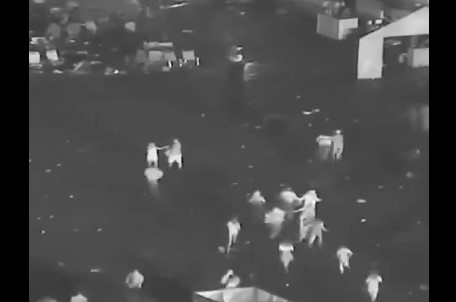
What began as a night of music became a moment that split lives into “before” and “after.” Survivors remember the metallic smell, the weight of bodies piled for cover, the unbearable choice between running and staying to help. Families searched hospitals and waited by silent phones. In those hours, Las Vegas—built on illusion—was stripped down to raw human fragility and courage.
Yet amid the horror, an unexpected kind of defiance emerged. Off-duty nurses treated wounds with makeshift tourniquets, strangers drove bleeding victims to overflowing ERs, and crowds lined up before sunrise to give blood. Grief circles formed where casinos once promised escape. The questions about why may never be fully answered, but the response—ordinary people choosing to protect, comfort, and remember—became its own kind of legacy, a quiet refusal to let one man’s violence define an entire city.