Beets have earned attention as a nutritious vegetable thanks to their unique mix of antioxidants, natural nitrates, and fiber. While the term “superfood” is often overused, beets genuinely provide benefits for heart health, digestion, and overall wellness when enjoyed as part of a balanced diet. They are also rich in folate and potassium, nutrients that support normal cell function, energy, and muscle activity.
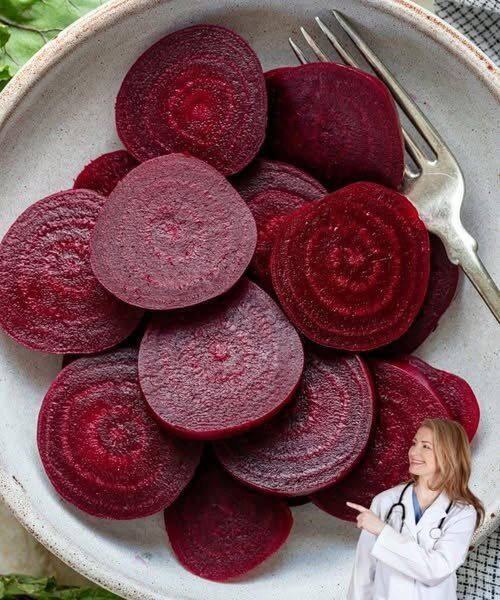
One area where beets stand out is their effect on circulation. Research shows that natural nitrates in beets can help the body produce nitric oxide, which supports normal blood flow. This has been linked to modest improvements in exercise performance and endurance in some studies. Beets also contain betalains, the pigments responsible for their deep red color, which act as antioxidants and help the body manage everyday oxidative stress.
Beets are also a source of dietary fiber, which supports digestive health and feeds beneficial gut bacteria. Eating fiber-rich foods on a regular basis may help maintain healthy digestion, appetite control, and stable energy levels. Many people enjoy beets roasted, blended into smoothies, or added to salads for color and flavor.
Beets are generally safe for most people, although they can cause temporary red coloring of urine or stool. People with kidney stone concerns or very low blood pressure may want to enjoy them in moderation. Overall, beets are a simple, affordable way to add more nutrients and natural color to everyday meals.